
Hiring a general contractor in San Francisco is very different from renovating in most other cities. Between strict Department of Building Inspection requirements, older Victorian and Edwardian homes, seismic upgrade rules, narrow lots, limited parking, and dense neighborhood conditions, the contractor you choose can directly affect your budget, timeline, and final result.
That’s why homeowners need more than a basic checklist. You need a contractor who understands how residential construction works in San Francisco specifically—from permit approvals and inspections to the hidden surprises that often show up once walls are opened in older homes.
Whether you’re planning a kitchen remodel in SF, a bathroom renovation, an ADU, a full-home update, or working with a custom home builder in San Francisco, this guide will walk you through what to look for, what to ask, what it may cost, and how to choose a remodeling contractor in San Francisco with confidence.
Request a Consultation or Talk to a San Francisco Remodeling Expert to discuss your goals, timeline, and budget.
A general contractor is the person responsible for managing your renovation from start to finish. Think of them as your construction lead, project manager, and coordination hub all in one. They oversee the day-to-day work on site, hire and schedule subcontractors, order materials, monitor quality, and keep the project moving.
On a typical home renovation in San Francisco, that may include coordinating carpenters, electricians, plumbers, painters, roofers, and inspectors. A strong contractor also handles practical issues homeowners don’t always see right away—like sequencing trades correctly, managing deliveries on tight streets, minimizing delays, and solving problems when unexpected conditions come up.
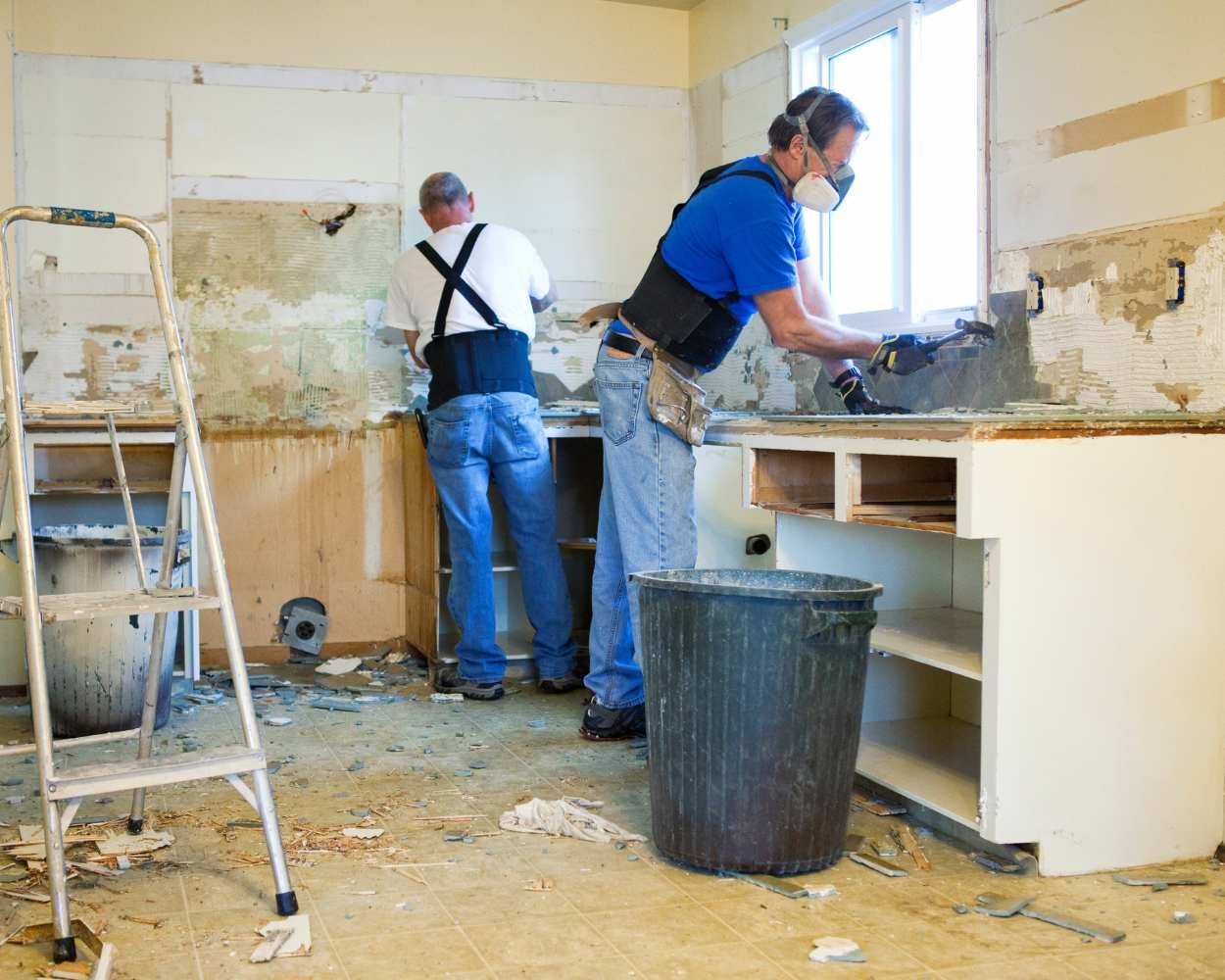
That last part matters more than many homeowners realize. In older San Francisco homes, demolition often reveals outdated wiring, aging plumbing, uneven framing, or previous unpermitted work. Many remodeling companies also help with kitchen remodels, bathroom renovations, room additions, ADU construction, full-home remodeling, seismic retrofit work, and restoration services for fire, water, or structural damage.
If you’re comparing firms, you may also come across a design-build contractor, which means the same company handles both design and construction. That approach can simplify communication and reduce disconnects between drawings, budgeting, and execution.
Not every licensed builder is equipped for San Francisco projects. A contractor may be highly capable in a suburban market and still struggle with the realities of urban residential construction here.
Local experience matters because San Francisco renovations often involve challenges such as:
For example, in neighborhoods like Pacific Heights, Noe Valley, Cole Valley, and parts of the Mission, approval timelines may vary depending on the property type, scope of work, and whether planning or historic review is involved. That’s one reason a home renovation in San Francisco often takes more pre-construction coordination than homeowners expect.
Instead of focusing only on review sites, evaluate each contractor based on qualifications that actually affect project results.
| What to Look For | Why It Matters |
| Active California license | Confirms the contractor is legally authorized to perform the work |
| General liability and workers’ compensation insurance | Helps protect you from financial risk |
| Experience with San Francisco permits | Reduces delays and avoidable mistakes |
| Portfolio of similar local projects | Shows relevant hands-on experience |
| Clear written proposal | Helps you compare scope, pricing, and assumptions |
| Communication process | Reduces confusion during construction |
| Change-order procedure | Keeps unexpected costs documented and controlled |
| References from recent clients | Gives insight into reliability, quality, and follow-through |
| Familiarity with older homes | Important for Victorians, Edwardians, and pre-1950 properties |
| Strong subcontractor network | Improves scheduling, quality, and accountability |
You can still use platforms like Houzz, Angi, Yelp, and the California Contractors State License Board, but they should be part of your research—not the whole process.
A good place to start is with referrals from neighbors, architects, designers, or friends who recently completed a similar renovation. Personal recommendations are often more useful than star ratings alone, especially if the project involved a kitchen remodel, bathroom renovation, structural work, or an ADU.
You can also research contractors through:
As you build a shortlist, look for a remodeling contractor in San Francisco who has completed projects similar in size, style, and complexity to yours. A luxury home remodel in Pacific Heights is very different from a bathroom renovation in a condo or an ADU build in the Sunset.
View Our Recent Projects or Request a Consultation to see what a well-managed renovation process looks like.
Before signing a contract, interview each contractor carefully. The goal is not just to confirm that they’re licensed—it’s to understand how they work, how they solve problems, and whether they have the right experience for your specific home.
Ask questions like:
These questions will tell you far more than a polished sales pitch. A strong construction partner should be able to answer directly, give examples, and explain their process clearly.
One of the biggest misconceptions homeowners have is assuming construction starts right after they hire a contractor. In San Francisco, pre-construction can take significant time depending on design, permitting, approvals, and the scope of work.
Here’s a general idea of what timelines may look like:
| Project Type | Typical Timeline |
| Cosmetic bathroom update | 4–8 weeks construction |
| Kitchen remodel SF | 8–16 weeks construction |
| Full-home renovation | 4–8+ months construction |
| ADU contractor San Francisco project | 6–12+ months including approvals and construction |
| Room addition | 6–12+ months depending on planning and permit review |
| Design, pricing, and pre-construction | 4–12 weeks or longer |
| Permit review | A few weeks to several months depending on scope |
These are broad estimates, not guarantees. For example, projects involving structural changes, planning review, historic considerations, or hillside engineering can take longer. Condo projects may also require HOA sign-off before permits or construction can move forward.
If your project involves structural work, electrical, plumbing, layout changes, additions, windows in some cases, or major systems updates, permits are likely required. The approval path depends on the type of work, the property, and the reviewing departments involved.
Common permit-related scenarios include:
| Permit or Approval Type | When It May Apply |
| Over-the-counter permit | Smaller, straightforward projects |
| Full plan review | Structural changes, additions, major remodels |
| Plumbing/Electrical permits | System upgrades or relocations |
| Planning review | Exterior changes, additions, zoning-related scope |
| Historic review | Older or architecturally sensitive properties |
| HOA approval | Condos, TICs, and some managed communities |
A contractor with real local experience should be able to explain what approvals may be needed before work begins. In many San Francisco remodels, the city process is not just about submitting paperwork—it’s about preparing complete plans, responding to comments, coordinating inspections, and avoiding avoidable revisions.
This is especially important in older homes. Once demolition starts, contractors sometimes uncover conditions that require revised drawings or added scope. Homes built before 1950 often reveal old plumbing, knob-and-tube wiring, undersized framing, water damage, or previous unpermitted work. These findings can affect both cost and timeline.
General contractor pricing in San Francisco depends on project size, complexity, finish level, access conditions, and how much coordination is required. Most contractors either build their management fee into the overall estimate or charge a percentage of the project cost, often somewhere in the 10% to 25% range depending on scope and business model.
In practice, your total cost is shaped by far more than the contractor fee alone. Variables include:
A simple bathroom renovation contractor quote will look very different from a luxury home remodel, custom kitchen, or full-home residential construction project. Hillside homes, older foundations, and projects involving seismic retrofit work also tend to carry higher costs.
When comparing proposals, make sure each bid clearly outlines:
A lower bid is not always the better value. In many cases, an unusually cheap estimate simply means something important has been left out.
Talk to a San Francisco Remodeling Expert to get a clearer picture of scope, timeline, and likely cost for your home.
Once the contract is signed and permits are in place, construction begins—but a good experience still depends heavily on communication and coordination.
Early phases usually include site protection, demolition, and rough framing or infrastructure work. This is often when hidden issues surface. In older homes especially, it’s common to uncover plumbing, electrical, or framing conditions that weren’t fully visible during estimating.
As work moves forward, different trades come in sequence: framing, mechanicals, inspections, drywall, finish carpentry, tile, painting, fixtures, and punch-list items. Your contractor’s job is to keep those trades organized, solve issues quickly, and communicate changes before they become expensive surprises.
You should expect:
In San Francisco, outside factors can also affect progress, including permit sign-offs, material lead times, street access, weather during exterior phases, and neighbor-related limitations in dense residential areas.
A polished website or friendly sales conversation does not guarantee a good experience. Watch for warning signs early.
Common red flags include:
Trust your instincts. If the process feels disorganized before work starts, it usually does not improve once the job is underway.
Homeowners choose Rothman Construction because local remodeling experience matters. Our team understands the details that shape renovation work in San Francisco and San Mateo—from permit coordination and older-home challenges to quality craftsmanship and clear communication.
We work on projects that require thoughtful planning, skilled execution, and consistent follow-through, including:
We believe clients should know what’s happening, what comes next, and what to expect if conditions change. That means transparent communication, realistic timelines, and careful attention to detail from pre-construction through completion.
If you’re looking for a remodeling contractor in San Francisco who understands the realities of building here—not just the sales language around it—we’d be happy to talk.
View Our Recent Projects to explore your renovation goals.
Hiring the right general contractor in San Francisco can shape every part of your renovation experience. In a city known for strict permits, aging housing stock, seismic requirements, and complex site conditions, local experience is not just helpful—it’s a real advantage.
Take time to verify licensing, review similar past work, ask thoughtful questions, and compare proposals carefully. The best contractor for your project will bring more than technical skill. They’ll bring sound planning, honest communication, and a clear understanding of how to navigate construction in San Francisco.
Whether you’re planning a bathroom refresh, a kitchen upgrade, an ADU, or a full custom renovation, choosing the right construction partner is one of the most important decisions you’ll make.
Start with referrals from people you trust, especially homeowners, architects, or designers who have completed similar work locally. Then verify license status through the CSLB and review recent project examples, client testimonials, and online feedback. Look for contractors with direct experience in the type of renovation you’re planning.
You can verify licensing through the California Contractors State License Board (CSLB). For reviews, check Google, Houzz, Angi, and Yelp. It’s best to look for patterns across platforms rather than relying on a single rating source.
Ask about license and insurance status, recent local projects, communication process, timeline expectations, subcontractor management, permit handling, change orders, and what is included in the estimate. You should also ask how they handle issues uncovered during demolition, especially in older homes.
In most cases, yes—if the project involves structural changes, plumbing, electrical, layout changes, or major system upgrades. Smaller cosmetic updates may not require permits, but it’s always wise to confirm with your contractor or local building department.
Because building in San Francisco comes with challenges you don’t see everywhere else: older homes, stricter review processes, seismic requirements, limited site access, parking constraints, and occasional permit delays. A contractor with real local experience is usually better prepared to navigate those issues efficiently.