
Planning a home renovation is exciting—until the practical questions start stacking up. Do you need permits? How long will it take? Can you stay in the house? What should you budget for surprises?
In this city, those questions matter even more.
Older homes often come with aging plumbing, outdated wiring, plaster walls, or structural issues hidden behind finished surfaces — some of which may require professional restoration services before finish work can begin.Add in permit reviews, tight streets, limited staging space, and neighborhood-specific challenges, and even a straightforward remodel can get complicated fast.
This FAQ covers the questions homeowners ask most before starting a renovation project, with practical answers based on how these jobs actually unfold locally.
Usually, yes. If your project includes structural changes, electrical work, plumbing, or mechanical updates, permits are often required. That includes many kitchen and bathroom remodels, especially when fixtures are being moved or systems are being upgraded.
This city has some of the strictest building requirements in California, particularly for structural, electrical, and plumbing work. Permits help make sure the job is safe, inspected properly, and built to code.
Purely cosmetic work—like painting, replacing flooring, or swapping a faucet without changing the plumbing—may not require permits. But once you start opening walls, changing layouts, or updating systems, approvals usually come into play.
The process typically runs through the Department of Building Inspection (DBI), and depending on the scope, additional review may be needed. In areas like Pacific Heights, permit approvals can sometimes take longer when a project involves exterior work, structural review, or added scrutiny tied to older homes and planning requirements.
If you skip permits when they’re required, the consequences can be serious: stop-work orders, fines, delays, and headaches when it’s time to sell.
A lot of homeowners assume permits only apply to major additions. In practice, we often see permit requirements triggered by work that seems simple at first—especially when wiring, plumbing, or framing is involved.
It depends on the scope, the permit path, and what shows up once work begins.
A smaller bathroom update may take a few weeks of construction.
A kitchen remodel in San Francisco can take several months from planning through final completion. Bigger projects—like a full-home renovation or an addition—can stretch much longer.
Construction is only part of the schedule. Before anyone starts demolition, there’s usually design work, pricing, permit prep, approvals, material ordering, and coordination. And in older SF homes, surprises behind the walls can add time quickly.
Common factors that affect the timeline include:
In many projects, the biggest delays don’t happen during construction—they happen before it. Permit revisions, plan updates, and waiting for approvals are often what slow things down the most.
In a recent Noe Valley renovation, we uncovered outdated knob-and-tube wiring during demolition, which required a full electrical rework before framing could continue. That kind of surprise is not unusual in older Victorian homes, and it’s one reason renovation schedules need flexibility from the start.
Homes in the Sunset District and other older neighborhoods often look straightforward from the outside, but once walls are opened, we regularly find aging plumbing, unlevel framing, or earlier patchwork repairs that need to be corrected before finish work can begin.
Most general contractors charge either a percentage of the total project cost or include project management in the overall estimate. In many cases, that fee falls between 15% and 25%, depending on the size and complexity of the job.
That fee usually covers:
The contractor’s fee is only one part of the full budget. You’ll also need to account for labor, materials, permits, design, and a contingency fund for unexpected issues.
| Cost Component | Description |
| Labor Costs | Wages for the contractor’s crew and trade partners such as electricians, plumbers, and painters |
| Material Costs | Cabinets, tile, flooring, fixtures, appliances, finish materials, and other construction supplies |
| Contractor Fee | Project management and oversight, often structured as a percentage of the total cost |
| Permits and Fees | City review costs, inspection-related fees, and required filings |
| Contingency | Extra funds—typically 10–20%—set aside for surprises or changes |
If you’re comparing bids, look closely at the details. A lower number may just mean important items were left out or loosely defined.
Sometimes, yes—but it depends on the type of work and how disruptive it will be.
If the work is limited to one area of the house, some homeowners choose to stay. That can work for smaller jobs, as long as you’re ready for noise, dust, workers coming and going, and parts of the home being temporarily off-limits.
For larger projects, staying put can become difficult fast. If your kitchen is unusable, bathrooms are under construction, or power and water are being interrupted, everyday life gets complicated.
Things to think about include:
In tighter neighborhoods like the Mission District, logistics can add another layer. Deliveries, debris hauling, parking, and limited street access can make an occupied renovation feel even more disruptive than homeowners expect.
Kitchen remodels usually affect daily life more than bathroom projects. Even when the work is contained, losing your sink, appliances, and storage tends to be harder than people expect.
A change order is a written update to the original contract. It records any change to the scope of work, price, materials, or timeline after the project has started.
They usually come up for three reasons:
For example, once walls or floors are opened, a contractor may find damaged framing, old wiring, or plumbing that needs to be replaced. Or the homeowner may choose a different layout, finish, or fixture after the original contract is signed.
Change orders are normal, especially in older homes. What matters is how they’re handled. Everything should be documented clearly in writing before the added work begins, including the cost and any effect on the schedule.
That’s also why a 10–20% contingency is so important. It gives you room to respond without derailing the whole project.
This is one of the biggest decisions you’ll make. The right general contractor in San Francisco helps you avoid preventable delays, budget surprises, and communication breakdowns.
Start with referrals from people you trust — or reach out to Rothman Construction directly to discuss your project..Then vet each contractor carefully.
Here’s what to look for:
Don’t choose based on price alone. A low bid can end up costing more if the scope is vague or important work has been missed.
Many renovation problems start with unclear estimates, not bad intent. If the original scope isn’t specific, disagreements about cost and responsibility usually show up later.
How Do I Verify a Contractor’s License in California?
Use the California Contractors State License Board (CSLB) website. You can search by license number, business name, or contractor name.
A CSLB search lets you confirm:
This is one of the simplest and most important checks you can make before signing a contract. In California, projects worth $500 or more in labor and materials require a licensed contractor.
Hiring someone without a valid license creates real risk—poor workmanship, insurance gaps, and fewer protections if something goes wrong. It’s also worth checking that the license details match the name and company information shown on the proposal.
Learn about Rothman Construction – Top Construction Company in San Francisco.
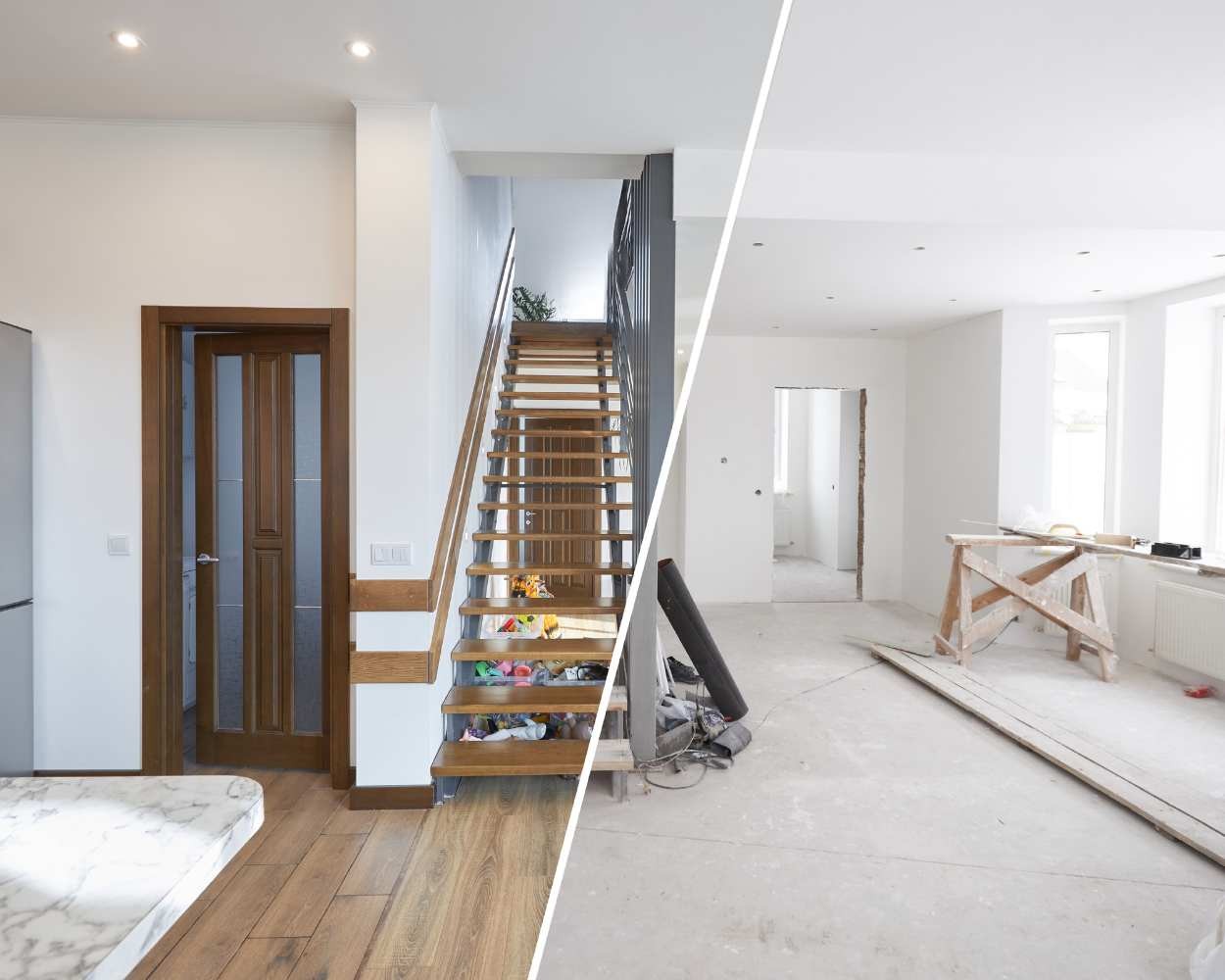
Renovation costs here are high, and for good reason. Labor is expensive, permitting can add time, materials cost more, and older homes often need corrective work once construction starts.
The final cost depends on the size of the project, the condition of the property, the finish level, and whether you’re changing the layout, systems, or structure.
As a rough guide:
The biggest cost drivers are often labor, cabinetry, finish materials, appliances, and structural work. If the house has plaster walls, outdated systems, foundation issues, or earlier unpermitted work, costs can rise quickly.
That’s why it’s important to get detailed proposals and leave room in the budget for the unknown.
Bathrooms may be smaller, but kitchens often carry more schedule and pricing risk because of cabinetry lead times, appliance coordination, and the number of trades involved.
A successful renovation usually comes down to good planning, clear expectations, and the right team.
Older homes can reveal hidden issues. Permits can take longer than expected. Material deliveries can shift. That doesn’t mean the project is going badly—it means renovation work rarely moves in a perfect straight line.
The best way to reduce stress is to go in prepared. Verify licenses, compare bids carefully, understand the permit path, and keep a contingency fund in place. Those steps make a real difference once the work begins.
If you’re planning a remodel locally, it helps to work with a contractor who understands how these projects unfold in the city—from Victorian home surprises in Noe Valley to access and staging challenges in the Mission, to the quirks of older properties in the Sunset.
Work With Rothman Construction
For more than 35 years, Rothman Construction has helped homeowners create spaces that feel thoughtful, functional, and built to last. We bring deep experience to renovation work throughout the city and surrounding communities, with a focus on craftsmanship, communication, and practical problem-solving.
We also care about building responsibly. Our team looks for ways to reduce waste, improve efficiency, and create homes that are not only beautiful, but comfortable to live in for the long term. Our Green Building Certification reflects that commitment.
Whether you’re planning a kitchen remodel, a bathroom update, or a full-home renovation, we work closely with homeowners to guide the process clearly—from early planning through final construction.
If you’re getting ready to remodel and want a team that understands both the design side and the realities of construction, Rothman Construction is here to help.
Next step
Request a Consultation to talk through your goals, budget, and timeline.